30 October 2026
A wheelset inquiry often starts with the wheel diameter. For an assembly that includes a gear, however, the relationship between the wheels, axle and gear also needs to be clearly defined.
The workshop photographs and video accompanying this article show wheel-and-axle assemblies with gears. These close-up views help illustrate why the complete assembly drawing matters when discussing a supply requirement.
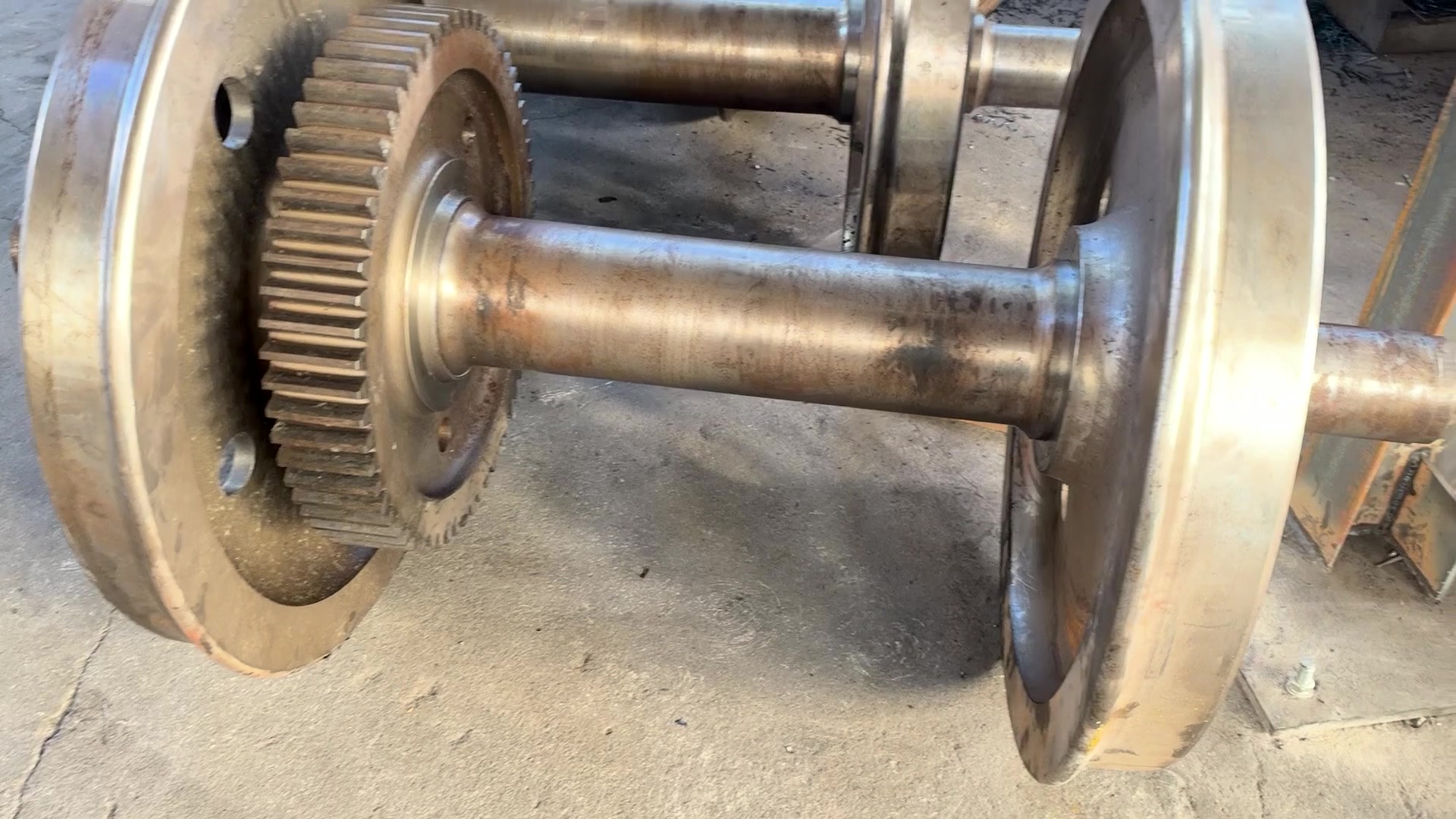
Review the Complete Assembly
Individual component dimensions should be reviewed together with the assembly drawing. The drawing should identify the positions of the wheels and gear, the axle interfaces and the dimensions required for installation in the customer’s equipment.
A photograph is useful for an initial discussion, but it cannot establish tolerances, material requirements or assembly acceptance criteria.
Define the Gear Requirements
For an inquiry involving a gear, provide the gear drawing and its relationship to the axle and mating components.
Relevant information may include tooth count, module, pressure angle, face width, bore details and any specified treatment or inspection requirements. Where these details are unavailable, identify the missing information before confirming a production proposal.
The required gear geometry should come from the customer’s approved technical documents.
Confirm the Wheel and Axle Interfaces
The inquiry should also define:
- Wheel diameter, profile and required spacing
- Axle dimensions, seats and end details
- Gear position and mounting requirements
- Specified fits and tolerances
- Materials and applicable technical specifications
- Assembly, inspection and documentation requirements
Requirements vary by application. Acceptance criteria should be agreed against the relevant drawings and specifications for the order.
From Drawing Review to Supply Coordination
Kingrail coordinates railway wheels, axles, wheelsets and related components according to customer requirements. Reviewing the complete assembly at the inquiry stage helps identify interfaces that need clarification before production.
← All Technical Articles